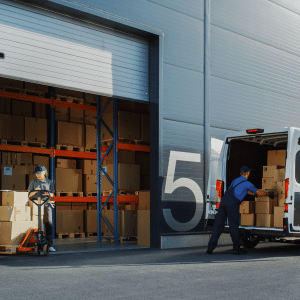

Peak season transforms the delivery industry. Between November and January, parcel volumes surge, shifts get longer, and earnings potential jumps significantly. For delivery drivers in Essex, this busy period offers a genuine opportunity to boost income while carriers like Amazon Logistics and DPD race to meet customer demand.
Understanding Peak Season in Essex
Peak season covers three main periods. The biggest spike runs from mid-November through December as Christmas shopping reaches its height. January brings a second wave when customers return unwanted gifts and use gift cards. Amazon Prime Day in summer also creates a mini peak, though nothing matches the winter rush.
Essex sees particularly high volumes during these periods. The county sits close to London and hosts several major distribution centres. Parcels flowing into the capital and across the South East often pass through Essex facilities, creating strong demand for local drivers who know the area.
Carriers typically start recruiting 2 to 3 months before peak begins. If you want to join the network specifically for Christmas work, August or September applications give you the best chance of securing a position and completing training before demand hits.
Realistic Earnings Increases
Most Essex drivers see earnings rise by 30% to 40% during November and December compared to typical months. This increase comes from a combination of factors:
Income Factor |
Typical Month |
Peak Season |
Change |
|---|---|---|---|
Daily parcel count |
120-150 parcels |
180-220 parcels |
+40-50% |
Available shifts per week |
5 days |
6-7 days |
+20-40% |
Shift length |
8-9 hours |
9-11 hours |
+10-20% |
Overtime opportunities |
Limited |
Frequent |
Common |
Bonus schemes |
Standard |
Enhanced |
Variable |
The extra parcels per route mean more stops but also more pay per shift. Many carriers offer weekend shifts during peak that are not available the rest of the year. Some companies introduce temporary incentive schemes including bonuses for completing all deliveries by a certain time or rewards for working consecutive days.
Preparing Your Vehicle
Vehicle reliability becomes critical when you are working longer hours and covering more miles. Book a full service in early October before mechanics get busy. Make sure the service includes brake checks, tyre inspection, fluid levels, and a battery test. Cold weather is hard on batteries, and you do not want starting problems on dark December mornings.
Check your insurance covers the increased mileage and longer hours typical of peak work. Stock essential spares before the rush. A spare bulb kit, jump leads, and basic tools can save your day if something minor goes wrong. Keep a torch in the van as winter deliveries mean more work after dark.
Route Efficiency Under Pressure
Peak season parcels pile up fast. The essential apps for delivery drivers become even more valuable when you are juggling 200 stops instead of 150.
Spend an extra 10 minutes organising your van each morning. Group parcels by postcode area and stack them in delivery order. Learn your route thoroughly. Know which estates have parking restrictions, which roads get congested at school pickup time, and where you can safely park to complete multiple nearby deliveries on foot.
Use quiet periods strategically. Early morning and mid-afternoon often have lighter traffic than lunch time and school run hours. Plan your route so you tackle congested areas when roads are clearest.
Staying Healthy and Alert
Build up gradually if you normally work shorter shifts. Going from 8-hour days to 11-hour shifts overnight leaves you exhausted and increases injury risk. Pack proper meals and snacks rather than relying on expensive service station food.
Take your breaks properly. According to the Health and Safety Executive’s guidance on planning work journeys, regular breaks help drivers stay alert and reduce accident risk. The Highway Code recommends a 15-minute rest every two hours.
Stretch between deliveries. Getting in and out of the van repeatedly, lifting parcels, and reaching into the back all strain your body. Our guide on staying motivated during long shifts includes practical tips for maintaining physical and mental energy.
Working with Major Carriers
Amazon Logistics often extends delivery windows and adds evening routes during peak. Routes that finish by 5pm in September might run until 9pm in December. DPD focuses on precision timing even during peak, with carefully planned routes that maintain service levels despite higher parcel counts.
Both carriers provide additional support during their busiest weeks. If you are struggling with an unusually difficult route or facing delays beyond your control, communicate early. Carriers generally prefer to know about issues while there is still time to find solutions.
Getting Through January Returns
The Christmas peak ends, but parcel volumes stay high through early January. January routes often include more collection stops as people return unwanted gifts. Collections take longer than deliveries because you need to check labels, scan barcodes, and find space in an already full van.
Weather becomes more unpredictable in January. Keep de-icer and a scraper in the van. Check weather forecasts the night before shifts and build extra time into routes when conditions look difficult.
How Skilled Solutions Supports Peak Season Drivers
Skilled Solutions connects drivers with carriers across Essex throughout the year. We work with carriers to identify peak positions early, so drivers interested in seasonal work can browse parcel delivery jobs in Essex well before demand hits critical levels.
Our team maintains contact with drivers throughout peak season. If you run into issues with your route, have questions about pay, or need advice on managing the increased workload, we are available to help.
Common Questions
Can I work peak season if I am new to delivery driving? Yes. Carriers hire both experienced and new drivers for peak. New drivers usually get extra support and may start on simpler routes.
What happens if I cannot complete my route? Contact your depot immediately if you are running significantly behind schedule. Carriers can often send help or adjust delivery priorities.
For more detailed answers, visit our common questions about delivery work page.
Getting Started
Peak season preparation begins months before parcels start flowing. If you want to view available driver positions in Essex for the upcoming peak season, start looking in late summer. Carriers value drivers who plan ahead and show up prepared.
Peak season demands more from delivery drivers, but it also rewards that effort with significantly higher earnings. With proper preparation, reliable vehicle maintenance, and realistic expectations about the workload, Essex drivers can turn the busiest weeks of the year into their most profitable.